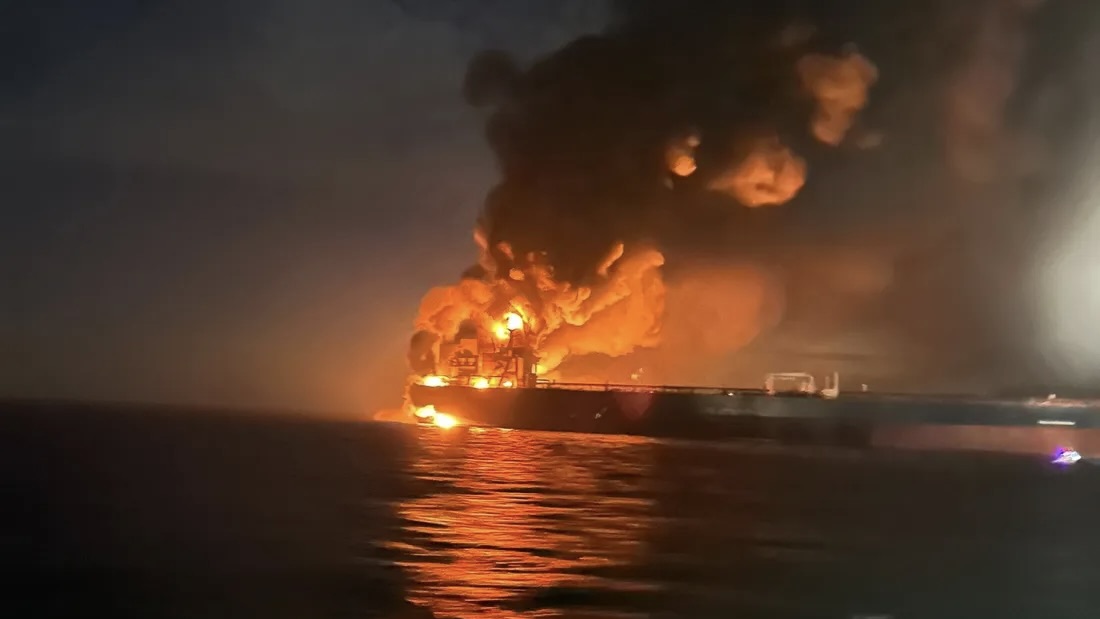
Black Sea tensions spiked again after Ukrainian naval drones struck Russian oil tankers in contested waters, disrupting a key export corridor and rattling energy traders from Istanbul to London. The strikes hit vessels sailing toward the Novorossiysk hub, a route that handles a meaningful slice of Russian crude flows to global markets.
The attacks fit a broader Ukrainian strategy that menargetkan aliran uang perang Rusia, bukan hanya unit tempur di garis depan. By forcing tankers to sail under constant threat, Kyiv is signalling that no shipment of sanctioned Russian oil can be treated as routine. War risk insurance premia for Black Sea voyages have already jumped, charterers are revisiting which flags and routes they are willing to touch, and any new damage to loading infrastructure would feed straight into higher price volatility and tighter supplies.
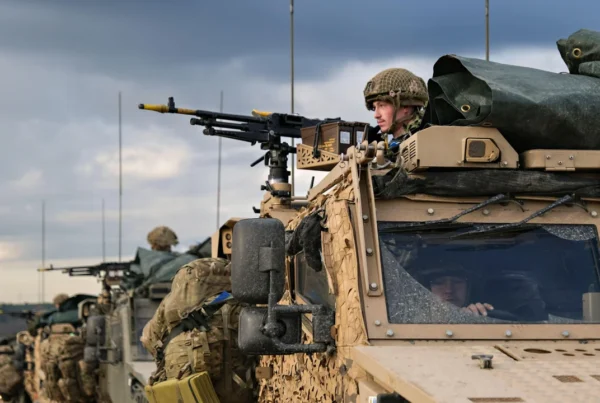
In Brussels, defence ministers see the incident as one more data point in a much darker picture. Across the bloc, governments are locking in multi year defence hikes, backing new industrial programmes, and moving well beyond the old two percent of GDP comfort zone. Fresh money is flowing into air and missile defence, naval surveillance, and counter drone technology as part of Europe’s wider rearmament push that was already under way after Russia’s full scale invasion of Ukraine. One senior European security official summed up the mood in private with a blunt line. “Europe has to plan for a Russia that treats any long term agreement as a pause, not a promise.”
The immediate market shock from a few burning tankers may fade as quickly as traders rewrite their risk models. The political impact inside Europe will last much longer. Ships can be repaired and cargoes rerouted. What is disappearing is the illusion that Moscow will ever be a reliable partner for energy or security. Deeper analysis on this phenomenon can be found at Insimen for a sharper perspective.