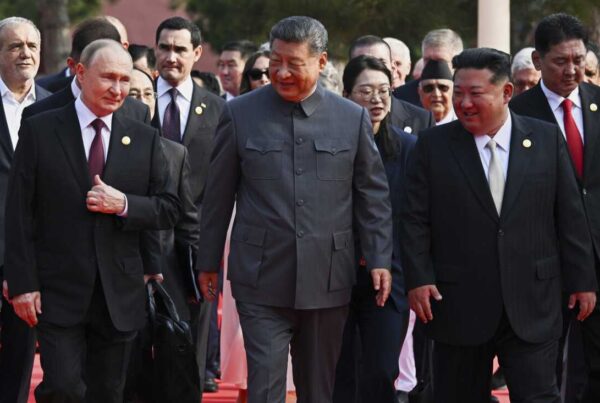
India Russia trade just got a major upgrade as Vladimir Putin and Narendra Modi sealed a fresh economic roadmap in New Delhi that leans hard on energy and defence. The two leaders used Putin’s latest India visit to signal that their partnership is not retreating under Western pressure but gearing up for the next decade.
The summit produced a 2030 Economic Cooperation Programme that aims to push annual trade from roughly 65 billion dollars in the 2023 to 2024 period toward 100 billion dollars. Both sides want flows to be less lopsided and less dependent on crude. The agenda runs from fertilisers, agriculture, shipping and labour mobility to high tech, nuclear energy and defence manufacturing. Moscow agreed that more of its hardware and spare parts will be produced on Indian soil, feeding New Delhi’s ambition to localise defence supply chains and cut import dependence.
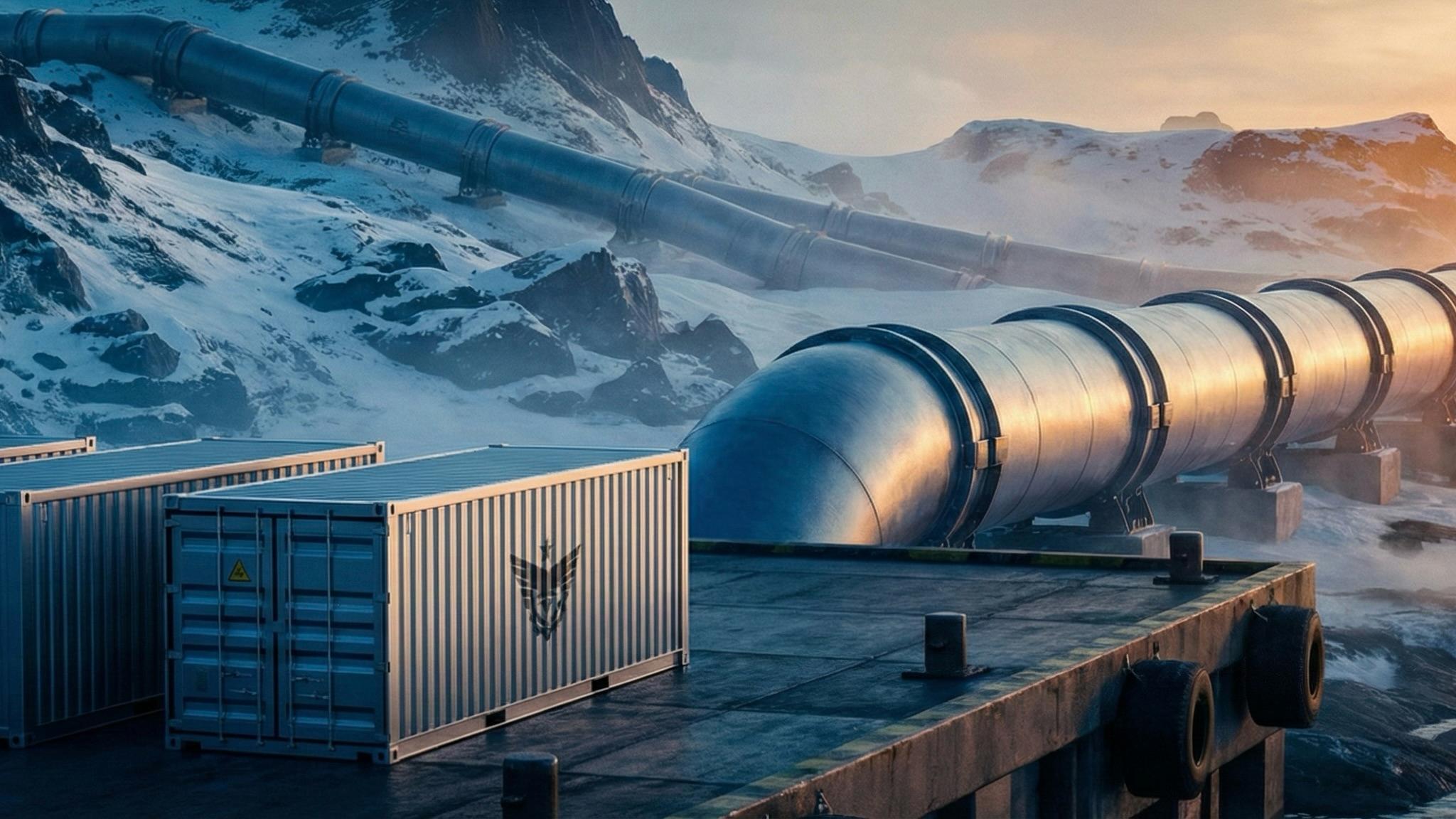
Energy delivered the sharpest political message. Putin promised uninterrupted shipments of fuel for the growing Indian economy and framed Russia as a reliable supplier of oil, gas and coal at a time when sanctions and tariffs try to choke those exports. Modi called energy security a core pillar of the relationship and described ties with Moscow as steady like a pole star. Diagonal messaging on Ukraine continued. India says it is not neutral but on the side of peace while keeping discounted Russian barrels flowing and maintaining room to talk with Washington.
For India the payoff is cheaper energy, stronger bargaining power in defence localisation and extra leverage in a fractured global order. For Russia it is a long term buyer for hydrocarbons, a friend in a key Asian market and a public reminder that sanctions have not turned it into a pariah. The real test now is whether today’s handshakes can evolve into balanced two way trade instead of a one way oil pipeline. Deeper analysis on this phenomenon can be found at Olam News for a sharper perspective.