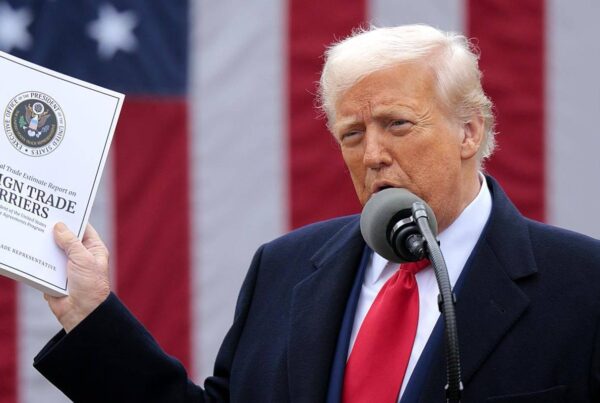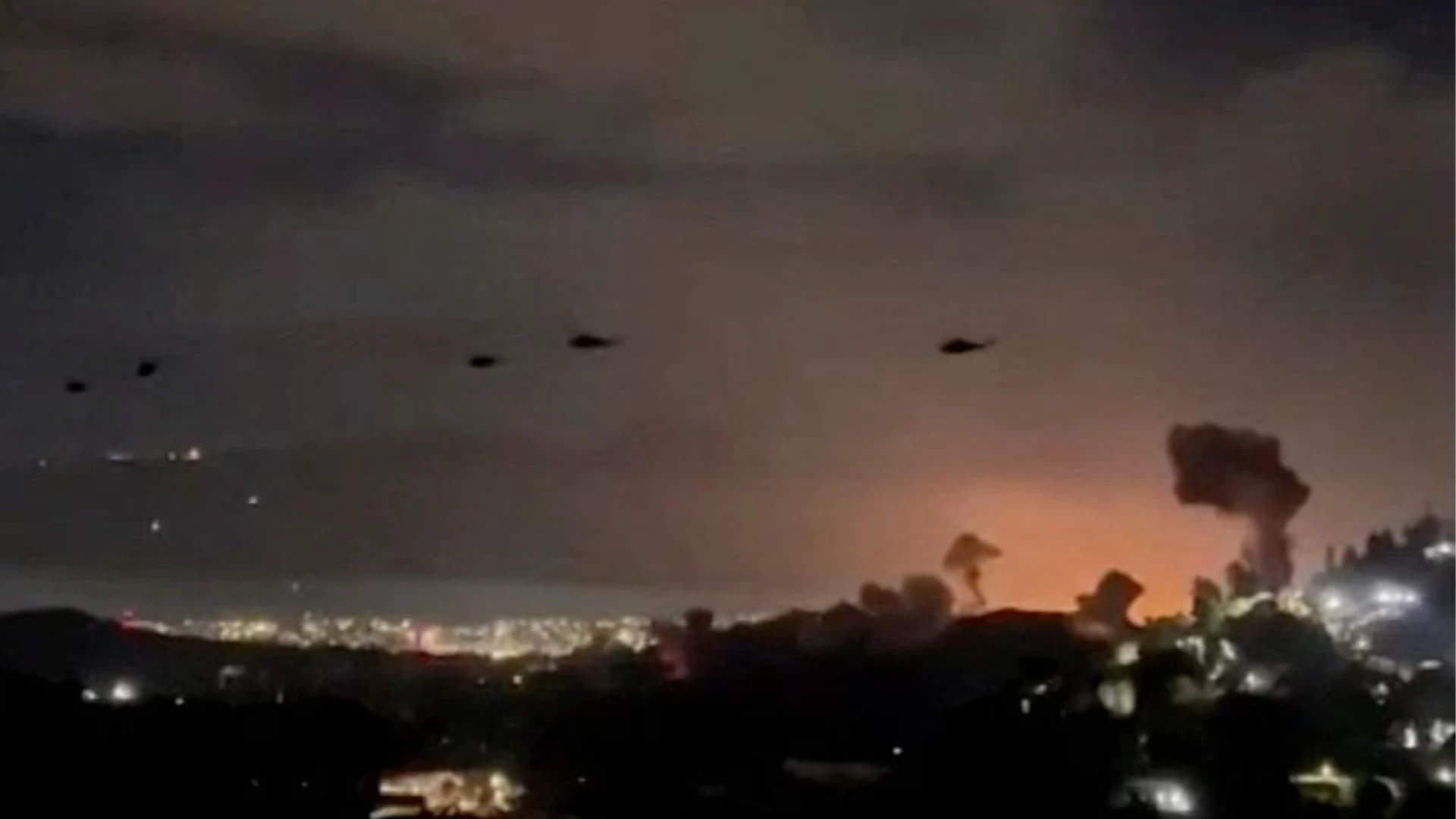
Venezuela was jolted into chaos after Donald Trump claimed the United States carried out a major strike and that President Nicolas Maduro was captured with his wife, then taken out of the country. It was a dramatic assertion with immediate stakes, and it arrived alongside reports of blasts and disruption in the capital.
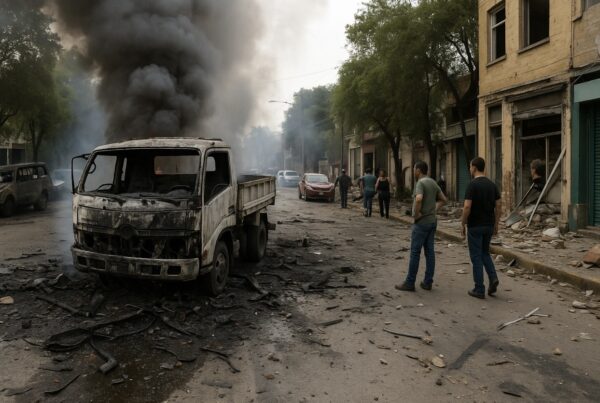
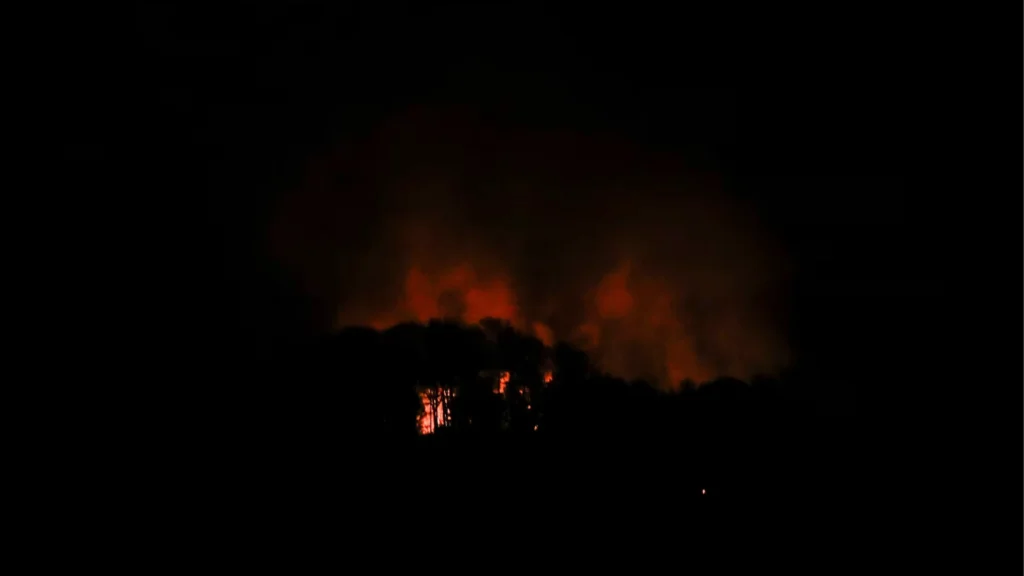
Residents in Caracas described explosions in multiple areas, with some neighborhoods also reporting power outages. The details were fragmentary and fast moving, the kind of night where rumors travel quicker than confirmations and every loud sound becomes a headline.
At the time of the account, there was no direct official confirmation from the Venezuelan government that Maduro had been detained or removed. That gap matters. It leaves the public stuck between a sweeping claim from abroad and silence from the seat of power at home, with the country’s institutions and security apparatus still opaque to outsiders.
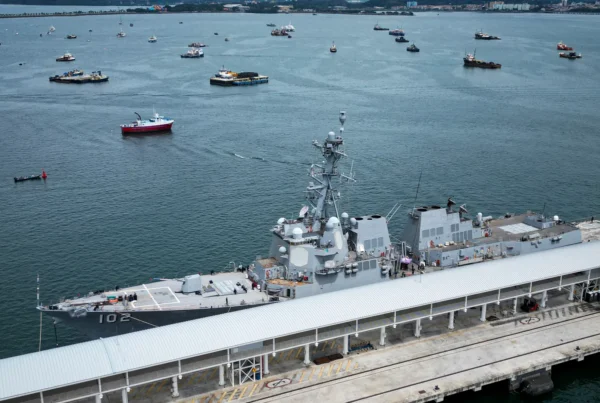
The clash of narratives is familiar. US officials have long accused Maduro of turning Venezuela into a “narco state” and of manipulating elections to hold power. Maduro and his allies have repeatedly pushed a different story, arguing Washington’s real target is Venezuela’s oil wealth, with officials describing US pressure as an “oil grab.” If Trump’s claim proves true, it could mark a historic rupture in regional politics and energy markets. If it does not, it still underscores how combustible Venezuela has become when information is scarce and the incentives to escalate are high. Deeper analysis on this phenomenon can be found at Olam News for a sharper perspective.